In 2026, the traffic logic of the used clothing export industry has shifted noticeably. With rising bidding costs on traditional B2B marketplaces, a growing number of Chinese used garment exporters adopt a combined strategy: WordPress website operation, Meta Pixel retargeting and WhatsApp community private domains. However, tightening platform privacy rules and stricter ad review for second-hand goods have caused account restrictions for many small and medium sellers due to improper Pixel implementation and asset labeling. Industry surveys show enterprises building a closed loop of website + Pixel retargeting + private domain achieve a 21% higher inquiry conversion rate compared with pure marketplace ads. Compliance is the core prerequisite for this model.
Shifting Traffic Landscape: The Rising Value of Standalone Websites for Used Clothing Exports
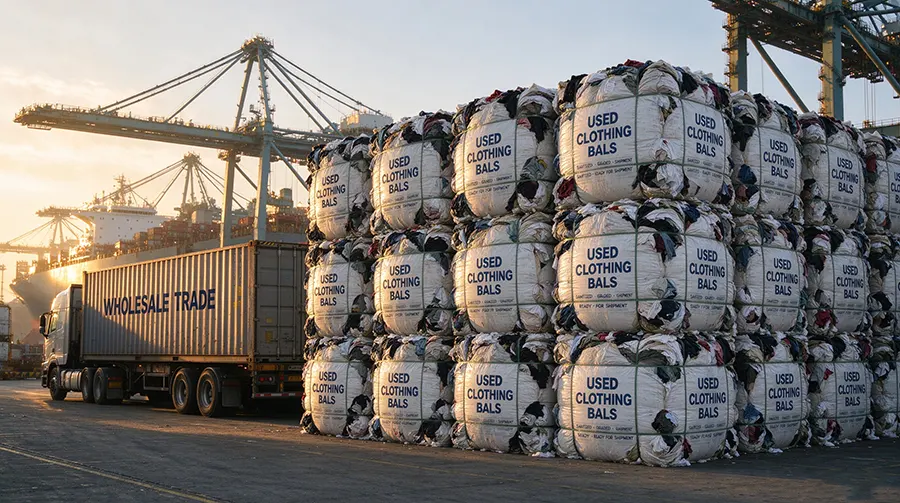
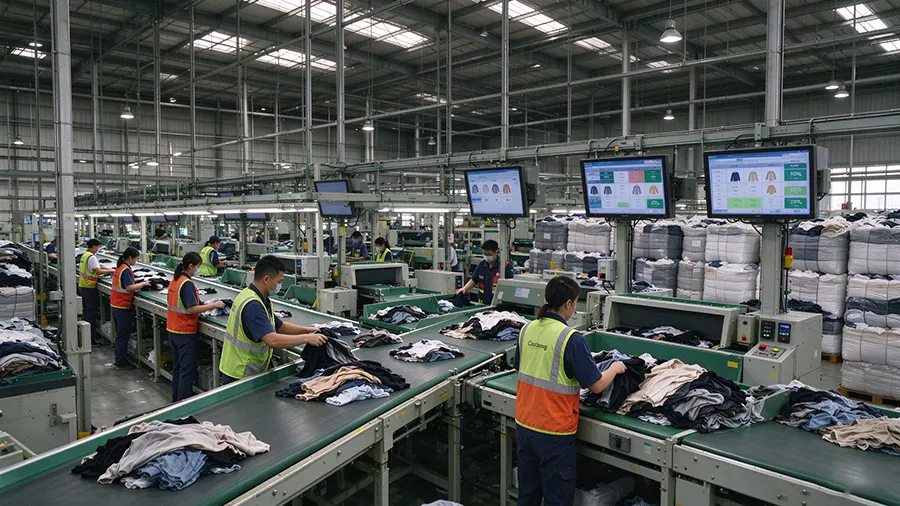
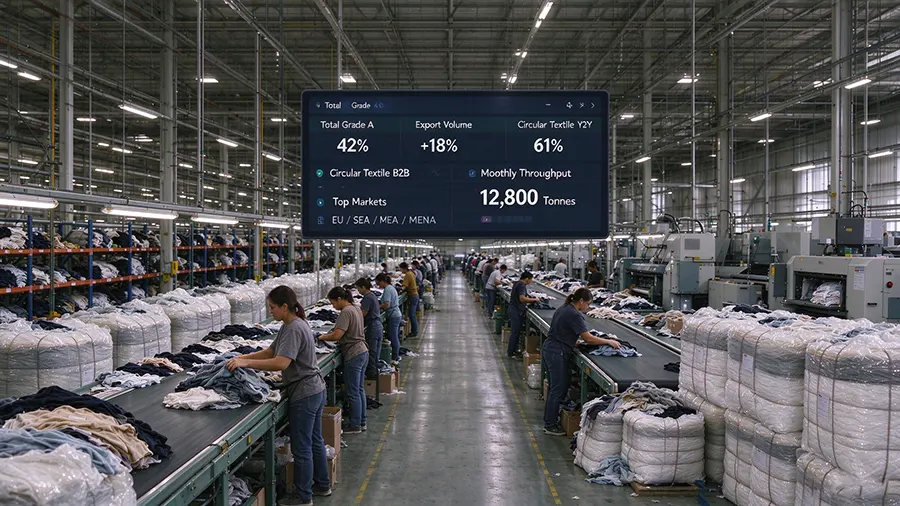
A Q2 2026 survey of 42 Chinese used clothing exporters by foreign trade marketing service providers found merchants relying solely on B2B platforms saw average inquiry costs rise 32% year-on-year. Businesses running WordPress websites with Pixel retargeting cut inquiry costs by an average of 17%, while repeat orders from existing customers climbed from 18% to 29%. Wholesale buyers from Africa and West Africa form the main traffic source for these standalone sites. Core conversion modules on website homepages include sorting workshop footage, disinfection workflows, photos of graded used clothing bales and container delivery cases. The survey also notes over 60% of small exporters made mistakes in Pixel deployment, such as missing Cookie consent and misconfigured events. This leads to lost ad signals and shrinks retargeting audiences by more than 40%.
Meta Pixel Retargeting: Platform Policy Updates & Risk Areas
Meta has updated its privacy framework with tighter restrictions for second-hand product ads and Pixel tracking in recent years. The 2026 platform policy mandates that creatives for used goods must be clearly marked used / second-hand and cannot be presented as brand-new apparel. For visitors from the EU, UK and California, the Meta Pixel script can only load after visitors actively grant Cookie consent; pre-triggering PageView or ViewContent events is forbidden. Many used clothing exporters have faced ad delivery limits or temporary account bans for failing to label second-hand items or skipping user consent for Pixel tracking. Meanwhile, Meta recommends advertisers use CAPI (Conversions API) to offset browser-side Pixel signal loss and improve conversion tracking accuracy for B2B wholesale retargeting campaigns.
Compliance Checklist: Used Apparel Ads & Website Data Collection
Marketing compliance for used clothing export ads covers two dimensions: ad content compliance and website data collection compliance. For ads, creatives cannot overstate disinfection effects or guarantee zero defects. Ads featuring branded second-hand bales must not imply official brand authorization. Standalone websites need a clear privacy policy and Cookie pop-up explaining Pixel tracking purposes, data retention periods and a one-click consent withdrawal option. Foreign trade consultants warn used clothing exports carry additional cross-border compliance risks. Ads cannot target countries with import bans, for example the Philippines prohibits commercial imports of second-hand garments. Targeting such regions triggers both platform risk and trade legal liability.
Practical Operation Logic: Website + Pixel + Private Domain Integrated Funnel
Operations leaders from leading domestic used clothing exporters state that used garment foreign trade marketing is shifting from broad ad blasting to a funnel combining website brand building, Pixel retargeting and private domain community nurturing. The standalone website acts as permanent brand asset. Meta Pixel captures B2B wholesale visitors browsing sample bales and quotation pages for retargeting. WhatsApp communities capture warm leads from ads, sharing new-arrival videos and real-time inventory photos to turn one-time ad traffic into long-term private-domain buyers. Industry consensus holds future competitiveness depends not on ad budget size, but the synergy of homepage content quality, Pixel data compliance and private domain client maintenance systems.
Industry Outlook: Long-term Trend of Compliant Digital Marketing
News Brief In Q2 2026, Chinese used clothing exporters speed up digital lead generation via standalone sites. Pixel retargeting and WhatsApp private domains become mainstream ways to reduce inquiry costs. Meta privacy updates make second-hand labeling, Cookie consent and Pixel setup mandatory. Balancing ad compliance and target-country import regulations will remain a long-term priority for digital marketing in used garment foreign trade.