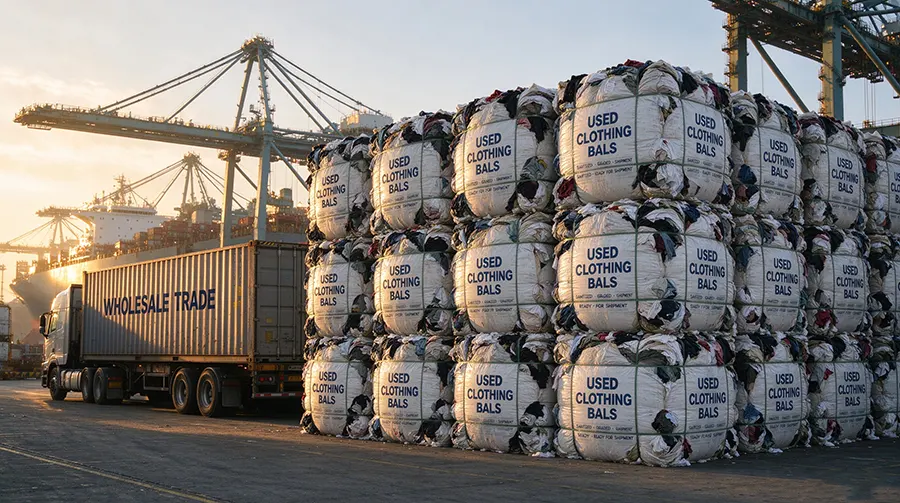
The cross-border used clothing trade, widely known as the mitumba trade across Africa, is undergoing a fundamental transition, according to a collection of industry and UN reports. Long characterised by informal bulk bale shipments, the sector is moving toward formalised circular textile trade, with stricter import controls, refined grading standards and digital B2B sourcing reshaping how suppliers and buyers interact. Findings from ThredUp’s annual resale report, UNECE-ECLAC policy research and Fibre2Fashion’s textile trade analysis paint a clear picture: volume-driven low-cost exports are no longer sustainable; compliance, traceability and transparent sorting become core competitive advantages for global used clothing exporters.
Market size and demand structure: Africa remains the dominant destination amid global resale expansion
ThredUp’s 2026 Resale Report, researched with GlobalData, estimates the global second-hand apparel market will hit USD 393 billion by 2030, expanding more than twice as fast as conventional new clothing retailFortune. Africa absorbs roughly 55% of bulk used clothing bale exports. Fibre2Fashion’s coverage of the mitumba trade notes that Nigeria, Ghana and Kenya remain top wholesale buyers, while French-speaking West Africa and Portuguese-speaking Southern Africa deliver fast-growing B2B inquiries. Latin America emerges as another rising market, with strong demand for casual second-hand apparel. Unlike consumer-focused resale platforms, this B2B container trade focuses on graded mixed bales rather than individual retail pieces.
Tightening import governance: pre-shipment certification and solid waste risk top regulatory concerns
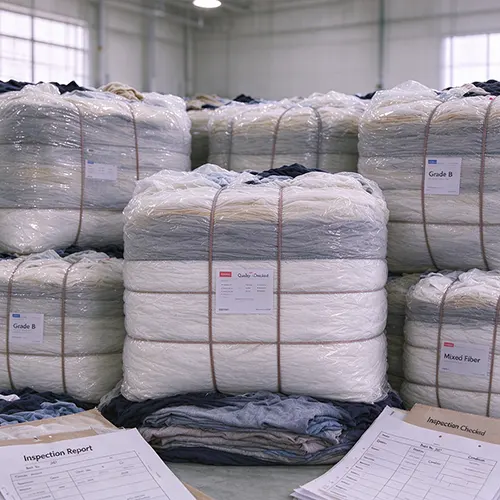
UNECE and ECLAC released a joint report addressing environmental and governance risks within cross-border second-hand textile flows, calling for unified technical rules, pre-shipment inspection and textile traceability across exporting and importing nations. As documented by Fibre2Fashion, many African markets have rolled out mandatory verification systems: Ghana requires EASYPASS CoC certificates, Kenya enforces KEBS PVoC pre-verification, and Uganda added a 30% environmental levy on used clothing imports starting July 2026. The biggest risk cited in these reports is misclassification: shipments labelled as reusable garments may be seized and rejected if customs identify them as solid waste. The EU textile waste regulation scheduled for 2027 will further raise documentation requirements for textile exports from Europe and Asia.
Industry restructuring: from mixed bundles to professional sorting and quality grading
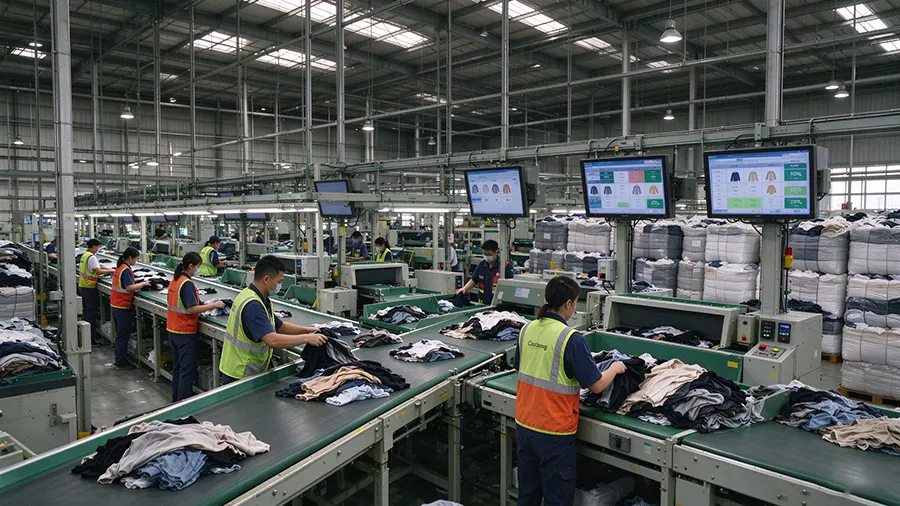
Earlier mitumba shipments often contained unsorted mixed textiles with unstable impurity levels, creating frequent disputes between exporters and African wholesalers. Industry analysis from Fibre2Fashion shows successful suppliers now adopt systematic sorting workflows to separate Grade A, B and C garments, with detailed breakdowns of fabric type, season and category ratio. Well-graded Grade A stock can command a 40–60% price premium over low-grade mixed bales. Buyers, according to Alibaba.com B2B trade guides, now prioritise consistent composition and transparent impurity rates over rock-bottom pricing. This shift pushes exporters to invest in sorting lines, quality control and sample testing systems.
Digitalisation reshapes sourcing: B2B independent sites replace offline-only trading
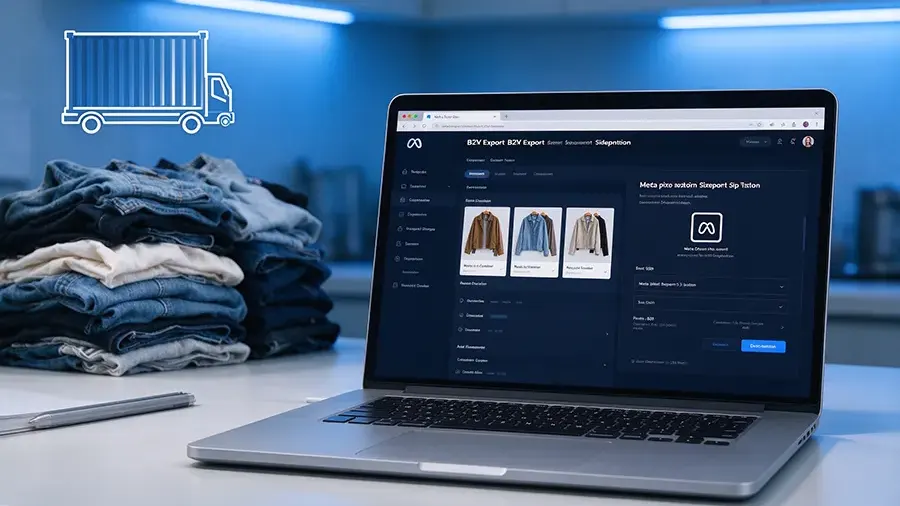
Traditional used clothing trade previously depended on trade fairs and intermediary referrals. As outlined in industry publications, modern African wholesalers increasingly discover suppliers via Google search and B2B independent websites. Buyers check sorting footage, grading standards, certificate samples and past container shipment records before submitting inquiries. Multi-language SEO targeting French, Portuguese and Swahili search terms helps suppliers capture low-competition organic traffic. UNECE’s report also highlights blockchain traceability as an emerging tool, which records collection, sorting and inspection data to prove reusability and reduce solid-waste detention risks.
Industry Viewpoint: Responsible circular trade will separate winners from low-volume informal traders
The combined reports from ThredUp, UNECE and Fibre2Fashion reach a shared conclusion: the era of simple high-volume, low-quality used clothing exports is ending. Future winners will be suppliers who balance three pillars: reliable sorting and QC, complete cross-border compliance documentation, and digital B2B customer development via independent sites and private-domain email nurturing. Major fashion groups including H&M, Inditex and Adidas have formed the Apparel Recovery Coalition (ARC) to build cross-border extended producer responsibility systems for second-hand textiles in receiving markets such as Ghana, further formalising the circular textile value chain.
Brief News: The Guardian’s field reporting from Kantamanto Market in Ghana highlights that inconsistent quality and waste contamination continue to fuel policy debates around mitumba imports. Suppliers with full pre-shipment inspection and traceability records will maintain better long-term partnerships with licensed African wholesalers.